If eating has started to feel like a battle you keep losing, please know this first: you are not weak, and you are not alone. Cravings and emotional eating are deeply human — and they make a lot more sense once you understand what's driving them.
Cravings and emotional eating usually aren't about willpower — they're about biology and feelings working together. Blood-sugar swings, blunted satiety signaling (including GLP-1), poor sleep, and stress hormones like cortisol all amplify the physical pull toward food, while eating also offers genuine, temporary emotional comfort. Finding more peace comes from supporting the body (steady blood sugar, protein and fiber, sleep, satiety support) and caring for the feelings (gentler coping, less shame) — together, not by force. If eating ever feels out of control, that deserves support from a qualified professional.
So much of the struggle with food is made worse by a quiet, constant sense of personal failure — the feeling that if you were just more disciplined, this wouldn't happen. We want to gently push back on that, because it isn't true, and it isn't helping.
Cravings and the urge to eat emotionally are produced by powerful, ancient systems in the body and brain — systems designed to keep you fed and soothed. When those systems are pulling hard, "just have more willpower" is a bit like being told to out-stubborn thirst. Understanding the real drivers replaces shame with something far more useful: a plan. That shift — from self-blame to self-understanding — is where peace with food begins.
A great deal of what feels like "emotional" craving has a physical root. When these systems are off, food's pull gets much stronger:
None of these are character flaws. They're signals — and signals can be supported.
The other half is real, too. Eating genuinely soothes — food releases feel-good signals, and over time, reaching for it becomes a learned response to stress, boredom, sadness, or even celebration. That's not dysfunction; it's how humans are wired, and food has always been tied to comfort and connection.
Cortisol, the stress hormone, deepens this: chronic stress increases appetite and cravings for energy-dense food while making it harder to feel satisfied. So when life is hard, the pull toward food is both emotional and chemical. The path forward isn't to shame the comfort away — it's to gently build other sources of soothing while supporting the body so the physical pull isn't so loud.
An important, caring note: if eating ever feels truly out of control — secret eating, bingeing, eating to the point of distress, or feeling unable to stop — please reach out to a doctor or a qualified mental-health professional. That's not a willpower issue and it's not something a supplement can address; it deserves real, compassionate support, and help is available.
These aren't rules to fail at — they're supports to lean on, as many or as few as feel doable right now:
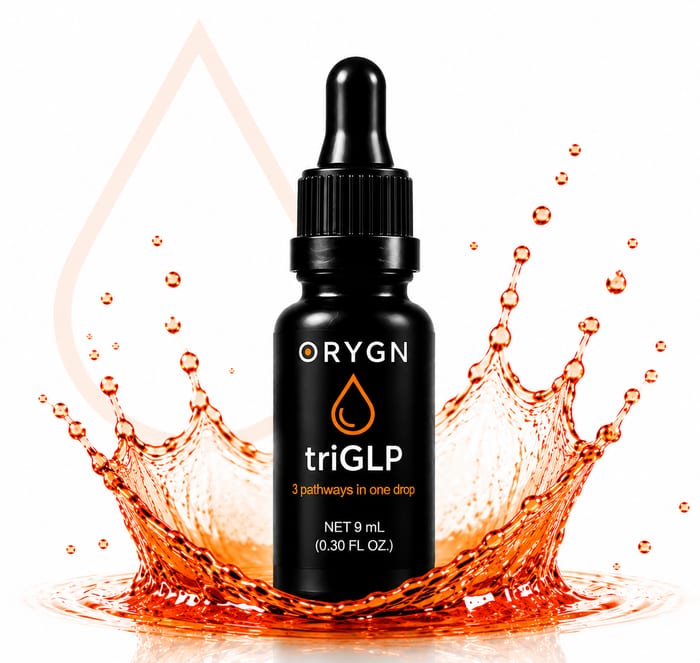
If the physical pull is part of your story, supporting satiety signaling can take some of the edge off. triGLP is a dietary supplement made with studied ProGo® peptides that support your body's own GLP-1 satiety signaling — the system that helps a meal feel like enough. It's not a fix for feelings, and it won't replace the gentle work above. Think of it as one small, supportive layer that helps quiet the physical noise, so the rest gets a little easier. See triGLP →
triGLP supports satiety signaling as part of a healthy lifestyle; it does not treat, cure, or prevent emotional eating, cravings, binge eating, or any condition, and individual results vary. It is not a substitute for professional care. If eating feels out of control, please talk with a qualified healthcare or mental-health professional. Not intended for pregnancy or breastfeeding.
No. Reaching for food for comfort is a deeply human, common response — food has always been tied to soothing and connection, and eating genuinely releases feel-good signals. It becomes a learned habit for many people under stress. That said, if eating ever feels out of control or causes you distress, that deserves support from a qualified professional — not because you're broken, but because real help exists and you deserve it.
Often because of physical drivers that have nothing to do with willpower: blood-sugar swings that leave you genuinely low on energy, blunted satiety signaling so meals don't fully satisfy, short sleep raising hunger hormones, and stress hormones like cortisol amplifying the pull toward energy-dense food. Supporting those systems usually softens cravings more than 'trying harder' ever could.
Gently, and without shame. Eat enough (especially protein) so you're not ravenous, steady your blood sugar, protect sleep, and build other sources of comfort so food isn't the only soothing tool. Add a brief pause before acting on a craving — to choose, not to forbid. Drop the all-or-nothing mindset; self-compassion is what makes change last. If it feels out of control, reach out to a professional.
No supplement can treat or stop emotional eating, and any product claiming to should be treated with caution. What a satiety-supporting supplement like triGLP may do is help quiet the physical side — supporting the GLP-1 signaling that helps a meal feel like enough — so the emotional work feels a bit easier. It's one supportive layer, not a cure, and not a substitute for professional care if eating feels out of control.
Yes. Chronic stress raises cortisol, which increases appetite and cravings for energy-dense, sugary foods while making it harder to feel satisfied. Stress also disrupts sleep, which further amplifies cravings. So when life is hard, the pull toward food is both emotional and chemical — which is why caring for stress and sleep is a real, practical craving strategy, not a soft one.
If food has felt like a battle, please hear this: it isn't a willpower flaw — it's biology, and biology responds to support. triGLP gently supports the satiety signaling that helps quiet the noise, so eating can feel calmer again. One daily drop, alongside the kindness you'd offer a friend.
Shop triGLP →