Safety · Side Effects · Quality · Honesty

GLP-1 Supplement Safety & Side Effects — An Honest Guide

Before you try anything for your metabolism, you deserve a straight answer on safety. Here's an honest look at what natural GLP-1 supplements are, their possible side effects, and how to choose — and start — wisely.

Quick answer

Are natural GLP-1 supplements safe?

For most healthy adults, natural GLP-1 dietary supplements built on a studied, well-sourced ingredient are generally well tolerated, with side effects — when they occur — tending to be mild and digestive. But 'safe' is not one-size-fits-all: safety depends on the specific ingredient and quality, your health status and medications, and honest use. Natural GLP-1 supplements are not the same as prescription GLP-1 medications and have a different profile. Anyone who is pregnant or breastfeeding, takes medication, or manages a health condition should talk with a healthcare provider before starting any supplement.

Section 1

What 'safe' actually means for a supplement

The word "safe" gets used loosely in the supplement world, so let's be precise. A dietary supplement and a prescription drug are regulated differently and carry different kinds of safety information.

Prescription drugs go through the FDA's drug-approval process, with clinical trials that characterize efficacy, dosing, side effects, and contraindications in detail. Dietary supplements are regulated as foods, not drugs: manufacturers are responsible for safety and for truthful structure/function claims, but products don't undergo pre-market drug approval. That makes ingredient quality and transparency the most important safety signals you can look for.

One meaningful threshold in the U.S. is FDA New Dietary Ingredient (NDI) status, where the FDA has reviewed a safety notification for an ingredient and raised no objection under the intended conditions of use. It is not drug approval, but it is a real bar that not every ingredient clears. Pair that with manufacturing standards (below) and you have a reasonable basis for judging safety.

Section 2

Possible side effects of natural GLP-1 supplements

Natural GLP-1 supplements vary by formula, so always read the specific product's information. That said, for food-derived peptide and fiber-based products, reported side effects — when they happen — are usually mild and digestive, and often settle as your body adjusts:

  • Mild digestive changes (fullness, slight nausea, changes in bowel habits), especially when starting.
  • Reactions related to the ingredient source — for example, a product made from salmon-derived peptides is not suitable for anyone with a fish allergy.
  • Individual sensitivities to any supplement ingredient.

Because natural GLP-1 supplements work with your body's own signaling rather than delivering a high-affinity drug, they generally don't produce the stronger pharmacological effects associated with prescription medications. If you ever experience anything beyond mild, or anything that concerns you, stop and consult your provider. Our deep dive on GLP-1 supplement side effects covers what's typical and what isn't.

Section 3

How natural GLP-1 differs from prescription GLP-1 (safety-wise)

This distinction matters for safety. Prescription GLP-1 medications are synthetic compounds that bind GLP-1 receptors with high affinity to produce a strong, sustained pharmacological effect; they carry specific clinical indications, dosing protocols, monitoring, and a documented side-effect profile, and require a provider's supervision. They are powerful tools used under medical care.

Natural GLP-1 support is a different category: diet, lifestyle, and supplement strategies that aim to support the body's own GLP-1 production and signaling. The mechanisms and magnitudes are not comparable, and a supplement should never be treated as a substitute for a prescribed medication or for medical care. If you're weighing options, that's a conversation for your provider. Read more in our natural GLP-1 guide.

Section 4

How to judge quality (the real safety lever)

Since supplements aren't pre-approved like drugs, quality is where your safety due-diligence pays off. Look for:

  • A named, studied ingredient with published research — not an anonymous "proprietary blend."
  • NDI status or other meaningful regulatory review of the key ingredient.
  • GMP (Good Manufacturing Practice) certification and third-party testing for purity and potency.
  • Transparent sourcing — where the ingredient comes from and how it's made.
  • Honest, structure/function language ("supports," "helps maintain") rather than disease cures or guaranteed outcomes. Overreaching claims are a red flag for the whole product.

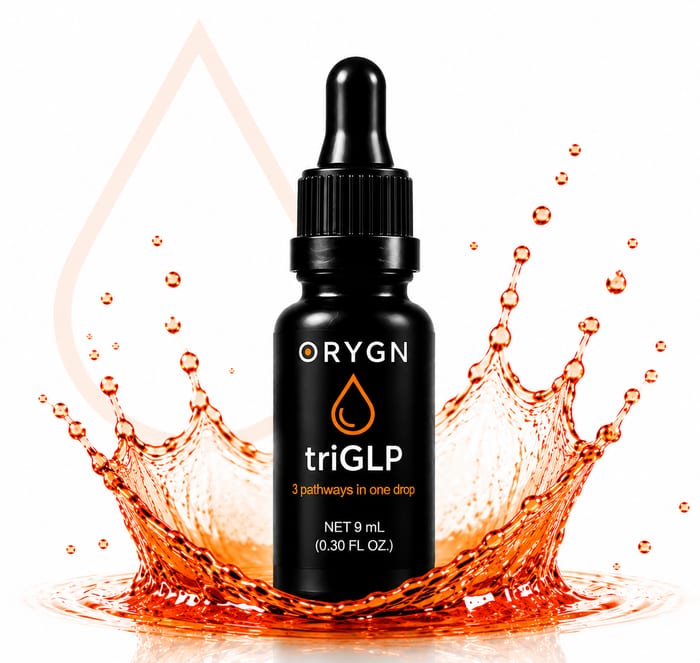
For reference: triGLP is built on ProGo® — a salmon-derived bioactive peptide ingredient that holds FDA NDI status, carries 13 structure/function claims the FDA has not objected to, and is backed by over a decade of research. That's the kind of transparency this checklist is pointing you toward.

Section 5

When to talk to your provider first

Most healthy adults can use a well-made dietary supplement without issue, but some situations specifically warrant a provider conversation before starting. Talk to your healthcare provider first if you:

  • Are pregnant or breastfeeding (triGLP and most metabolic supplements are not intended for this).
  • Take any prescription medication, particularly for diabetes, blood sugar, or blood pressure.
  • Manage a health condition such as diabetes, thyroid disease, kidney or liver conditions, or a GI disorder.
  • Have a food allergy relevant to the ingredient source (e.g., fish/salmon).
  • Are giving anything to a minor, or are an older adult on multiple medications.

Our companion guide on who should not take a GLP-1 supplement goes through these in more detail, and GLP-1 supplements and medication interactions explains why the medication conversation matters.

Section 6 · Myths vs Facts

Myths vs. facts about natural GLP-1 safety

A few persistent misconceptions cloud the safety conversation. Clearing them up helps you make a calmer, better-informed decision.

"Natural means it can't have side effects."

Not true. "Natural" and "bioactive" both mean a product can affect your body — that's the entire point — so side effects, while usually mild for well-made products, are possible, and allergies (like fish or salmon) are real and potentially serious. Natural is not a synonym for risk-free.

"If it's stronger, it must work better."

Dietary supplements are designed to support your body's own signaling, not to overpower it like a high-dose drug. Taking more than the label recommends won't improve results and can increase the chance of digestive upset. More is not better.

"A supplement can replace my medication."

No. A natural GLP-1 supplement is not a substitute for a prescribed medication or for medical care, and you should never stop or change a prescription on your own. They're different categories serving different roles under different oversight.

"All GLP-1 supplements are basically the same."

Far from it. Quality, sourcing, research backing, and regulatory status vary enormously between products. The vetting checklist above — a named, studied ingredient, NDI status, GMP and third-party testing, and honest structure/function claims — is exactly how you separate the credible from the questionable.
Section 7

How to start safely

If you and your provider decide a natural GLP-1 supplement is appropriate, a sensible approach lowers the chance of side effects and helps you learn how your body responds:

  • Follow the label. More is not better; use the recommended serving.
  • Start when you can pay attention — not in the middle of a stressful, travel-heavy week — so you'll notice how you feel.
  • Pair it with the fundamentals (protein, fiber, movement, sleep) that do the real work; a supplement supports, it doesn't replace them.
  • Give it a fair, consistent trial and check in with how you feel; stop and consult your provider if anything concerns you.

triGLP is taken as a few drops under the tongue, once or twice daily — a simple, no-injection way to begin. See the triGLP product page →

Good questions

Frequently asked questions

Are natural GLP-1 supplements safe?

For most healthy adults, a natural GLP-1 supplement built on a studied, well-sourced ingredient is generally well tolerated, with any side effects tending to be mild and digestive. Safety depends on the specific ingredient and quality, your health status and medications, and honest use. They are not the same as prescription GLP-1 medications. Anyone pregnant or breastfeeding, taking medication, or managing a condition should consult a provider first.

What are the side effects of a GLP-1 supplement?

For food-derived peptide and fiber-based products, reported side effects are usually mild and digestive (temporary fullness, slight nausea, changes in bowel habits), often easing as the body adjusts. Products made from salmon-derived peptides are not suitable for people with a fish allergy. Anything beyond mild, or anything concerning, is a reason to stop and consult your provider.

Is a natural GLP-1 supplement the same as Ozempic or a prescription GLP-1?

No. Prescription GLP-1 medications are synthetic drugs that bind GLP-1 receptors with high affinity under medical supervision, with their own indications and side-effect profiles. Natural GLP-1 supplements are dietary products that aim to support the body's own GLP-1 signaling. The mechanisms and magnitudes are different, and a supplement is not a substitute for a prescribed medication or medical care.

How do I know if a GLP-1 supplement is high quality?

Look for a named, independently studied ingredient (not a vague proprietary blend), FDA New Dietary Ingredient (NDI) status, GMP certification and third-party testing, transparent sourcing, and honest structure/function language rather than disease cures or guaranteed results. Overreaching claims are a red flag for the entire product.

Can I take a GLP-1 supplement with my medications?

Maybe, but you should review it with your provider or pharmacist first — especially if you take medications for diabetes, blood sugar, or blood pressure. A supplement is not a drug, but combining anything new with prescription medication is a conversation worth having. See our guide on GLP-1 supplements and medication interactions.

Is triGLP safe?

triGLP is a dietary supplement made from salmon-derived ProGo® peptides that holds FDA NDI status, carries 13 structure/function claims the FDA has not objected to, and is taken as drops by mouth. It's formulated for general adult use and is generally well tolerated, but it is not intended for pregnancy or breastfeeding, is not suitable for those with a fish allergy, and anyone on medication or managing a condition should check with their provider before starting.

A studied ingredient you can look into

triGLP is built on ProGo® — NDI status, third-party tested, brand-free of drug claims, and backed by a decade of research. Transparency you can verify before you decide.

Shop triGLP →