Emotional Eating · Compassion · Coping

Emotional Eating — Understanding It Without Shame

Eating to soothe a hard feeling doesn't make you weak or broken — it makes you human. Let's look honestly and gently at why it happens, and how to build a kinder relationship with food.

Quick answer

What is emotional eating, and is it bad?

Emotional eating is using food to soothe feelings — stress, sadness, boredom, loneliness, even joy — rather than physical hunger. It's extremely common and very human; food genuinely comforts, and reaching for it becomes a learned response over time. Occasional emotional eating is normal and not something to shame yourself over. It becomes worth addressing when it's your main coping tool or causes distress — and if it ever feels out of control, that deserves support from a qualified professional. Gentle change comes from new comforts plus supporting the body, not from willpower or punishment.

Section 1

Why we eat our feelings

There's a reason "comfort food" is a universal phrase. Eating releases feel-good signals in the brain, and from our earliest days food is tied to care, safety, and connection. So when a feeling is uncomfortable — stress, sadness, boredom, loneliness — reaching for food to soothe it isn't a malfunction. It's a learned, understandable response that, for a moment, actually works.

Stress hormones make it stronger: cortisol increases appetite and the pull toward sweet, rich foods. So emotional eating often isn't purely "emotional" at all — it's emotion and chemistry, together. None of that is a reason for shame. It's a reason for understanding.

Section 2

When it's normal, and when to reach for support

Most people eat emotionally sometimes, and that's perfectly okay — a slice of cake after a hard day is part of a full life, not a failure. Emotional eating is worth gently working on when it becomes your primary way to cope, leaves you feeling worse afterward, or starts to feel automatic and hard to steer.

Please hear this with care: if eating feels out of control — bingeing, eating in secret, eating to the point of distress, or feeling unable to stop — that is not a willpower problem and not something a supplement can help. It deserves compassionate, professional support from a doctor or mental-health provider, and reaching out is a sign of strength. You don't have to navigate it alone.

Section 3

Gentle ways to build new comfort

The goal isn't to never eat for comfort — it's to widen your toolkit so food isn't the only option:

  • Name the feeling first. A pause to ask "what do I actually need right now?" sometimes reveals it's rest, connection, or a break — not food.
  • Build a comfort menu that isn't edible: a walk, a hot shower, a call, music, stepping outside, ten minutes of nothing.
  • Don't arrive ravenous. Physical hunger makes emotional eating far more likely, so eating enough during the day is genuinely protective.
  • Lose the shame spiral. Guilt after eating often drives the next episode. Self-compassion breaks the loop better than self-criticism ever will.
  • Care for stress and sleep, which quietly fuel the whole pattern.
Section 4

Where triGLP fits (and where it doesn't)

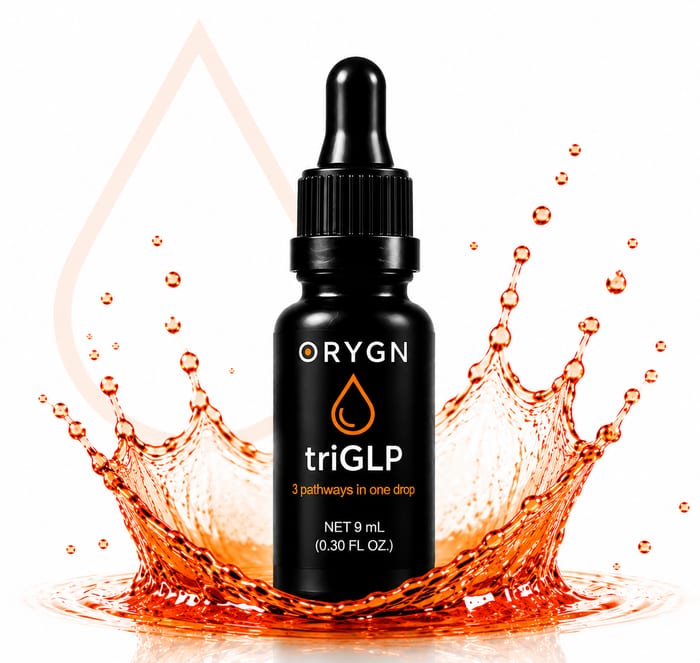
Let's be honest about this: a supplement cannot soothe a feeling, and triGLP makes no claim to. What it can do is support the physical side — using studied ProGo® peptides to support GLP-1 satiety signaling, so genuine hunger isn't quietly amplifying the emotional pull. When meals feel more satisfying, the gentle inner work often feels a little more doable. See the full guide →

triGLP supports satiety signaling as part of a healthy lifestyle; it does not treat, cure, or prevent emotional eating, binge eating, or any condition, and individual results vary. It is not a substitute for professional care. If eating feels out of control, please reach out to a qualified healthcare or mental-health professional. Not intended for pregnancy or breastfeeding.

Good questions

Frequently asked questions

Is emotional eating normal?

Yes — most people eat for comfort sometimes, and it's a deeply human response, since food is tied to soothing and connection and genuinely releases feel-good signals. Occasional emotional eating is part of a normal relationship with food. It's worth gently addressing when it becomes your main coping tool or causes distress, and worth professional support if it ever feels out of control.

How do I stop eating my feelings?

Gently and without shame. Name the feeling and ask what you actually need; build comforts that aren't food (a walk, a call, rest); avoid getting ravenous by eating enough during the day; and care for stress and sleep, which fuel the pattern. Most importantly, drop the guilt spiral — self-compassion breaks the cycle far better than self-criticism. If it feels out of control, reach out for professional support.

What's the difference between emotional eating and a binge eating disorder?

Emotional eating is a common, usually manageable habit of using food for comfort. Binge eating disorder involves recurrent episodes of eating large amounts with a feeling of being unable to stop, often with significant distress. If your experience sounds like the latter, or eating feels out of control, please talk with a doctor or mental-health professional — it's a recognized, treatable condition, and help is available.

Does stress cause emotional eating?

Stress is one of the biggest drivers. Cortisol, the stress hormone, increases appetite and the pull toward sweet, energy-dense foods, and stress also disrupts sleep, which amplifies cravings. So emotional eating is often emotion and chemistry together — which is why caring for stress and rest is a genuinely practical part of easing it.

Can triGLP help with emotional eating?

A supplement can't soothe feelings, and triGLP doesn't claim to. It supports the physical side — your GLP-1 satiety signaling — so genuine hunger isn't quietly amplifying the emotional pull, which can make the inner work feel more doable. It's a supportive layer, not a treatment for emotional eating, and not a substitute for professional care if eating feels out of control.
Be as kind to yourself as you'd be to a friend

If you eat to cope, you're human, not broken. Be gentle as you build new ways to soothe — and know that supporting steady satiety can make the food part feel less loud. triGLP is one small, supportive layer. You are the rest.

Shop triGLP →