Sugar cravings can feel relentless — and beating yourself up over them only makes them louder. Here's what's really driving them, and kinder, more effective ways to ease the pull.
Sugar cravings ease most when you remove their fuel rather than fight them with willpower: keep blood sugar steady (protein and fiber with every meal, fewer spike-and-crash foods), eat enough so you're not ravenous, protect sleep (short sleep spikes sugar cravings), manage stress, and support satiety signaling. Be patient and kind with yourself — cravings fade as your body's signals steady, usually over days to weeks. A craving you honor now and then isn't failure.
Sugar cravings can feel almost impossible to resist, and that's by design — not a design flaw in you. Fast sugar delivers quick energy and a brief mood lift, so the brain learns to chase it, especially when you're tired, stressed, or running on a blood-sugar rollercoaster. The pull is real and chemical. Naming that is the first relief: you're not failing a willpower test, you're responding to a powerful signal.
The single most effective way to ease sugar cravings is to stop the spike-and-crash cycle that creates them:
When blood sugar stops crashing, the desperate "I need sugar now" signal quiets on its own. More in supporting healthy blood sugar naturally.
Three quiet craving-amplifiers, and the gentle fixes:
Cravings don't vanish overnight, and that's okay. As your blood sugar steadies and you sleep and eat enough, the pull genuinely fades over days to weeks — and honoring a craving now and then isn't backsliding, it's being human.
To support the physical side, triGLP uses studied ProGo® peptides that support GLP-1 satiety signaling — helping meals feel more satisfying so sugar isn't calling so loudly between them. See the full cravings & emotional eating guide →
triGLP supports satiety as part of a healthy lifestyle; it does not treat or cure cravings or any condition, and individual results vary. Not a substitute for professional care. Not intended for pregnancy or breastfeeding.
Usually because of physical drivers, not weakness: blood-sugar spikes and crashes that leave you low on quick energy, under-eating earlier in the day, short sleep raising hunger hormones, and stress pushing you toward sweet, energy-dense food. Sugar also delivers a fast energy and mood lift the brain learns to chase. Steady those systems and the cravings ease.
Often days to a few weeks. As you steady your blood sugar (protein and fiber with meals, fewer refined-sugar crashes), eat enough, and sleep well, the intense pull genuinely fades. Be patient and kind with yourself in the meantime — honoring a craving occasionally is human, not failure, and won't undo your progress.
Build meals around protein, fiber, and healthy fats, which steady blood sugar and satisfy you so sugar isn't calling between meals. When you do want something sweet, pair it with protein or fat (fruit with nuts, for example) to soften the spike-and-crash that triggers the next craving. Whole foods over refined sugar makes the biggest difference.
Occasional sugar cravings are completely normal and usually tied to blood sugar, sleep, stress, and not eating enough. If cravings feel truly out of control or come with distress or a sense of being unable to stop, that's worth discussing with a healthcare or mental-health professional — not because you're broken, but because supportive help exists.
triGLP supports your body's GLP-1 satiety signaling, which can help meals feel more satisfying so sugar isn't calling so loudly between them. It supports the physical side rather than 'curing' cravings, and individual results vary. It works best alongside steady blood sugar, enough protein, and good sleep — not instead of them.
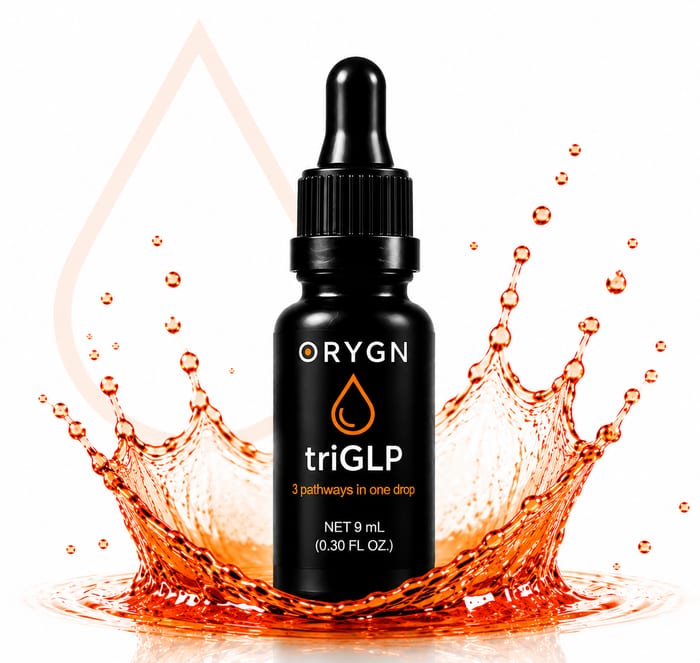
They're your body chasing a quick fix for a real signal. Steady your energy, be patient with yourself, and let triGLP help support the satiety that quiets the pull. You're not failing — you're learning what your body needs.
Shop triGLP →